- CIMI
- Since 1979
- Oldest camp
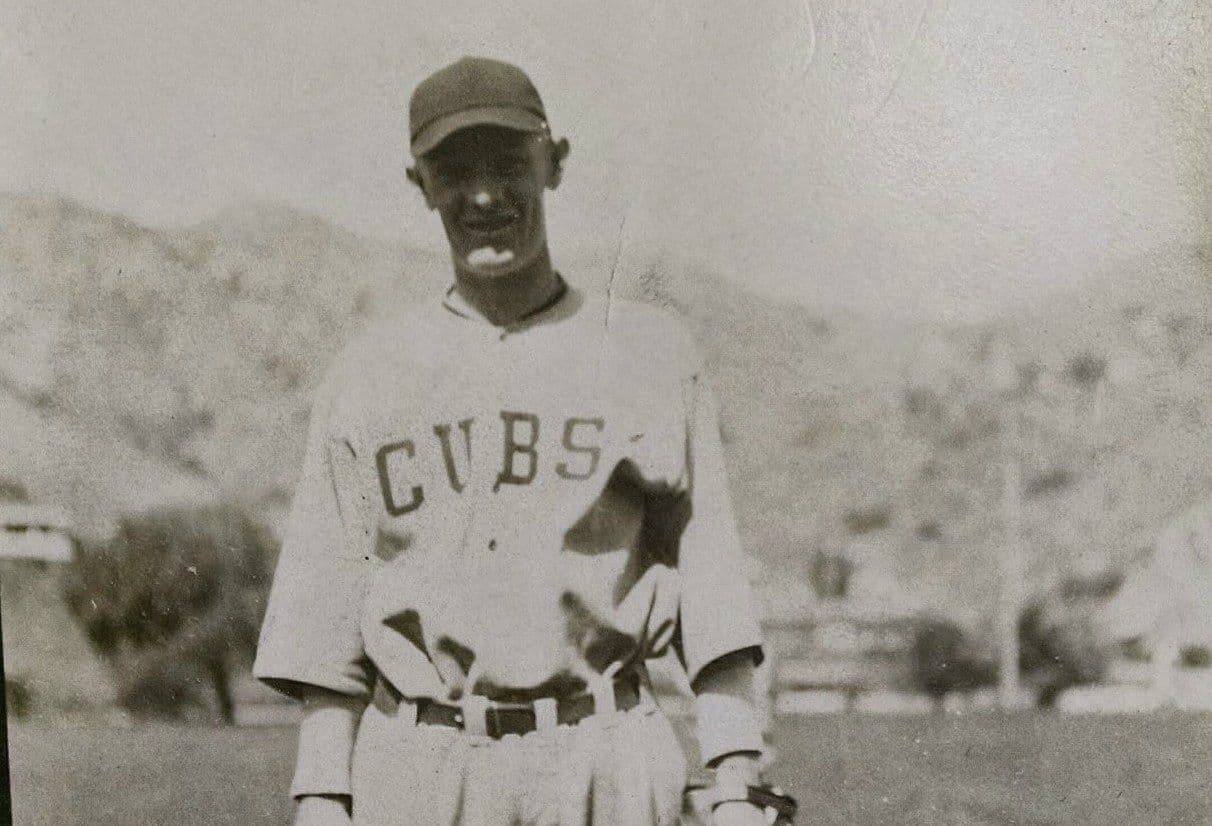
- Emerald Bay, 1925
- USC lab
- Since 1965
- Foxes today
- About 2,000
For a lot of Southern Californians, their first trip to Catalina was a school trip or a summer at camp. The island’s north shore is lined with coves you can only reach by boat, and many of them hold a camp, a marine lab or a field station.
CIMI and Catalina Sea Camp
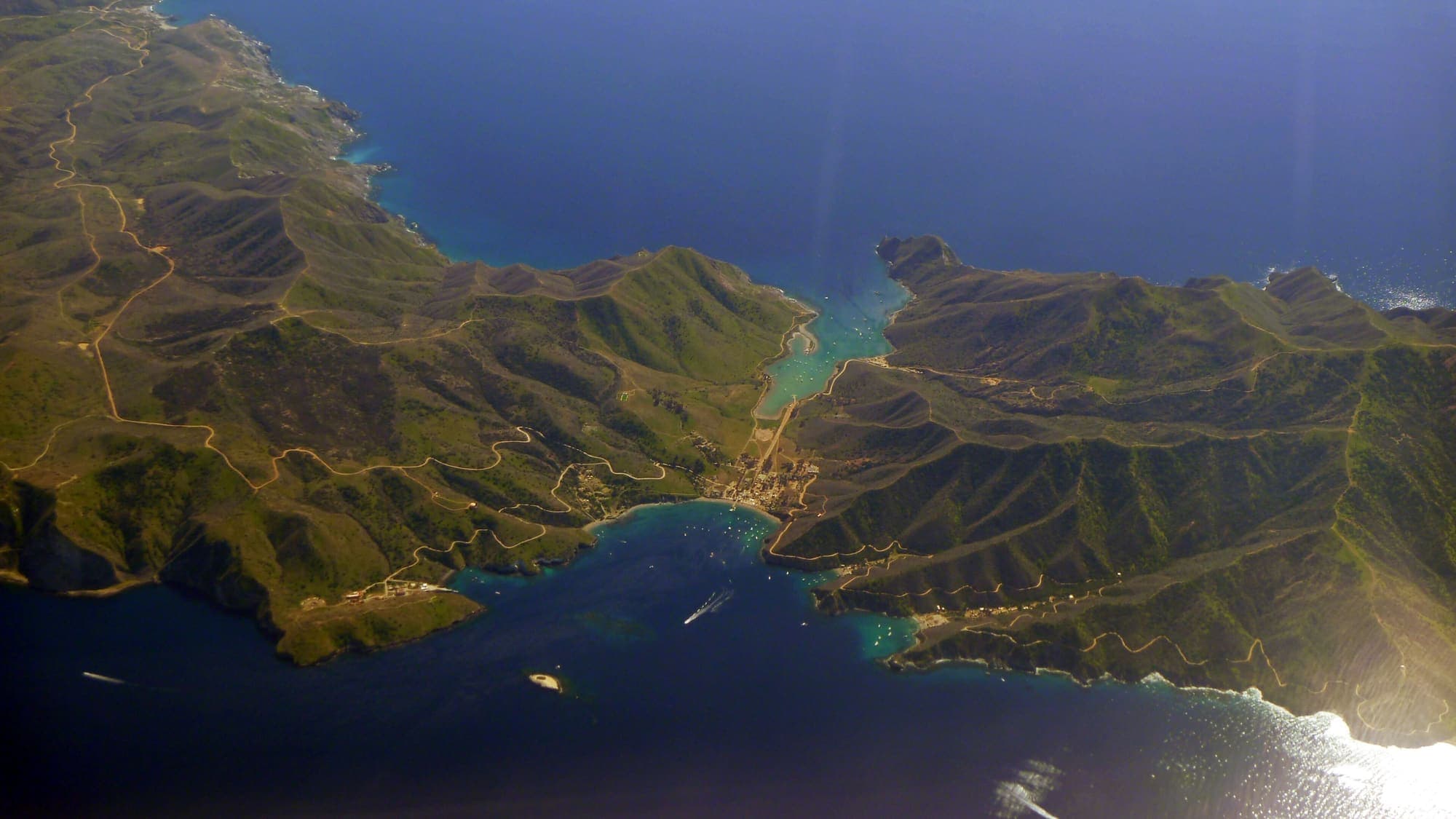
CIMI, the Catalina Island Marine Institute, has taught outdoor marine science on the island since 1979. School groups from fourth through twelfth grade spend several days at its campuses at Toyon Bay, a private cove about two and a half miles from Avalon, and Fox Landing, farther along the coast near Long Point: snorkeling the kelp forest, working in the lab, hiking, and doing the night snorkel that kids remember for the rest of their lives.
In summer the same nonprofit, Guided Discoveries, runs Catalina Sea Camp at Toyon Bay for ages 8 to 17, with sailing, snorkeling, kayaking, scuba and marine biology. Toyon Bay has its own history: it opened in 1928 as a boarding school for boys, and during World War II it was a training base for the Office of Strategic Services, the forerunner of the CIA.
The camps of the north shore
- Camp Emerald Bay (1925): a Scouting camp on the West End that hosts thousands of Scouts each summer, plus school programs and family camps. The Navy used it for underwater demolition training during World War II.
- Camp Fox (1926): the Glendale YMCA’s camp at Fox Landing, for ages 8 to 17.
- Catalina Island Camps at Howland’s Landing: a co-ed sleepaway camp, family-run since 1995, that also hosts the Jean-Michel Cousteau family camp.
- Campus by the Sea (1951): InterVarsity Christian Fellowship’s camp in a cove on the north shore, for college students and retreat groups.
The USC Wrigley Marine Science Center
At Big Fisherman Cove, just east of Two Harbors, the University of Southern California has run a marine research station since 1965, on land given by the Wrigley family. Scientists and students study the kelp forest and the ocean around it, next to the Blue Cavern marine reserve.
The station is also home to the USC Catalina Hyperbaric Chamber, which has treated divers with decompression illness since 1974. It runs around the clock, every day of the year, with a crew of trained volunteers, one of only two volunteer-staffed chambers in the country, and divers are brought in by Baywatch boats from across Southern California. Its annual fundraiser, Chamber Day, and the Avalon Harbor Underwater Cleanup help keep it running.
The Conservancy’s science
The Catalina Island Conservancy, founded in 1972, protects 88% of the island and runs much of its research and restoration.
- Island fox: in 1999 a canine distemper outbreak, probably brought by a stowaway raccoon, cut the population from about 1,300 to around 100. Vaccination and captive breeding brought it back to an estimated 2,162 in 2025. Cars are now the biggest threat, which is why the island’s roads have low speed limits.
- Bison: brought over for a film in the 1920s, the herd once grew past 500. The Conservancy now keeps it at about 80, using contraception rather than removals since 2009.
- Bald eagles: gone by the early 1960s because of the pesticide DDT, they were reintroduced from 1980, and biologists still help eggs and chicks along. Several pairs nest on the island today.
- Rare plants: the Catalina Island mountain mahogany, among the rarest trees in North America, survives in the wild as just six trees in one gully. The Conservancy’s Ackerman Native Plant Nursery grows it, and the endemic Catalina ironwood, from tissue culture.
The Conservancy’s Trailhead visitor center on Crescent Avenue in Avalon is the easiest way in: exhibits, hiking permits and the free shuttle up to the Wrigley Memorial & Botanic Garden. The island’s wildlife →
Quick answers
What is CIMI on Catalina Island?
The Catalina Island Marine Institute, which has run outdoor marine-science programs for school groups (grades 4 to 12) since 1979, at Toyon Bay and Fox Landing. Its nonprofit also runs Catalina Sea Camp in summer.
Is there a hyperbaric chamber on Catalina?
Yes, the USC Catalina Hyperbaric Chamber at Big Fisherman Cove near Two Harbors. Staffed by volunteers around the clock since 1974, it treats divers with decompression illness from across Southern California.
What camps are on Catalina Island?
Catalina Sea Camp and CIMI at Toyon Bay, Camp Emerald Bay (Scouting, since 1925), the Glendale YMCA’s Camp Fox (since 1926), Catalina Island Camps at Howland’s Landing and Campus by the Sea.
Camping on the island
See all →No photo yet Two Harbors10 min from the ferryNo photo yet The interiorNo photo yet The interiorNo photo yet The interior
Community & civic on the island
See all →No photo yet Avalon Opens 8am tomorrowAvalon14 min from the ferry4.0(5)
- Avalon11 min from the ferry4.7(15)
No photo yet Avalon