- First people
- The Tongva
- Named
- 1602, by Vizcaíno
- Avalon founded
- 1887
- Wrigley era
- From 1919
Catalina has been an island of reinventions: a homeland, a Spanish claim, a smugglers’ hideout, a mining camp, a Victorian resort, a chewing-gum magnate’s dream, a wartime training base and, today, one of the best-protected landscapes in Southern California.
The Tongva and Pimu
People have lived on the island for thousands of years. The Tongva called it Pimu (also written Pimugna), and its villages traded across the channel by plank canoe. Catalina was famous for its soapstone, quarried and carved into bowls, pipes and ornaments that turn up at sites all over Southern California. After Spanish contact, disease and the mission system emptied the island’s villages; by the 1830s the Tongva had been moved to the mainland.
Explorers, otters and smugglers
Juan Rodríguez Cabrillo sailed past in 1542 and claimed the island for Spain, naming it San Salvador after his ship. Sixty years later Sebastián Vizcaíno landed on the eve of the feast of Saint Catherine of Alexandria in November 1602 and renamed it Santa Catalina. Through the early 1800s its coves sheltered sea-otter hunters and smugglers dodging Spanish and then Mexican customs.
Ranchers, miners and soldiers
In 1846 the Mexican governor Pío Pico granted the island to Thomas Robbins. A small rush followed claims of silver and gold in the 1860s, and in 1864 the Union Army garrisoned the Isthmus. The wooden Civil War barracks they built still stand at Two Harbors.
Avalon and the Banning years
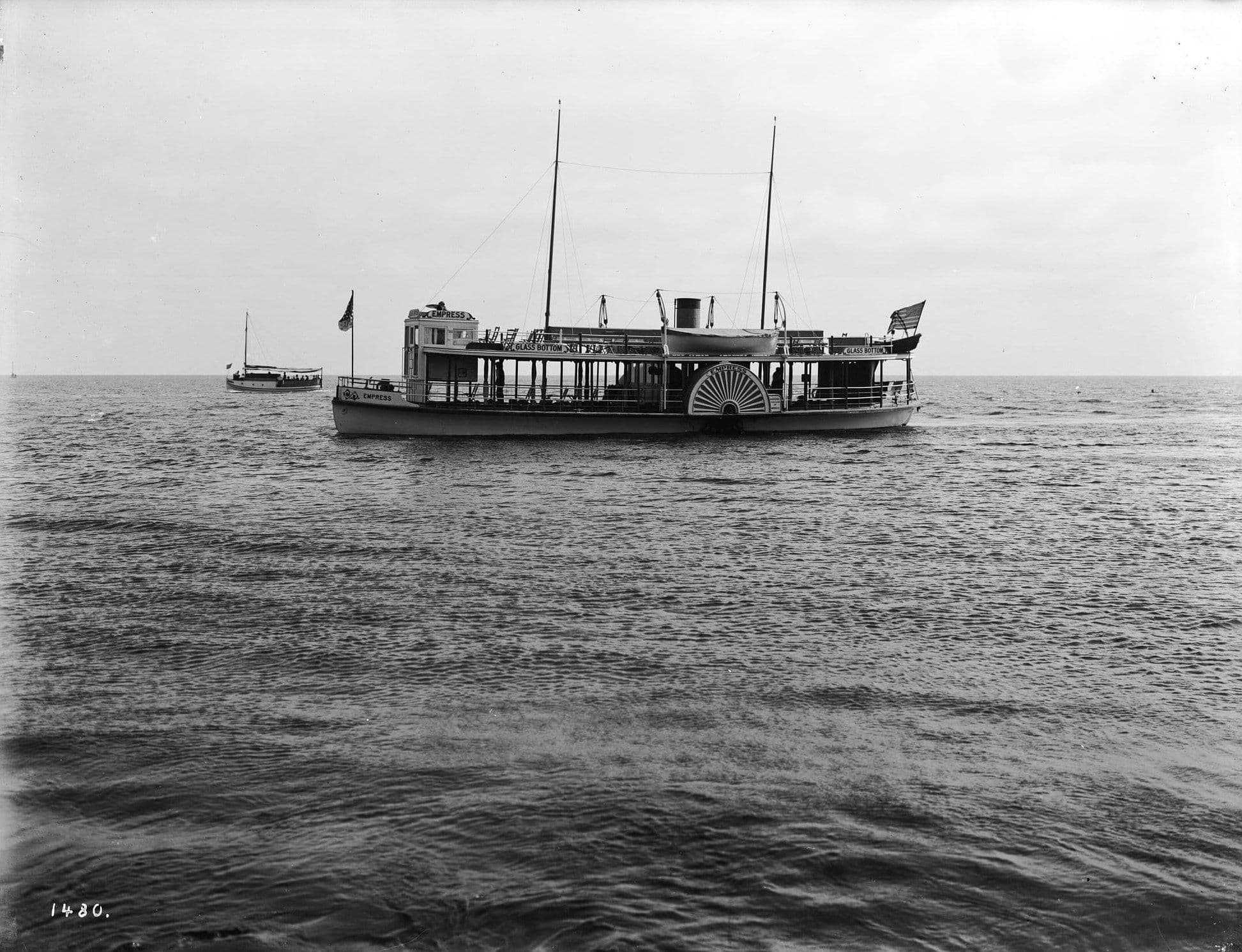
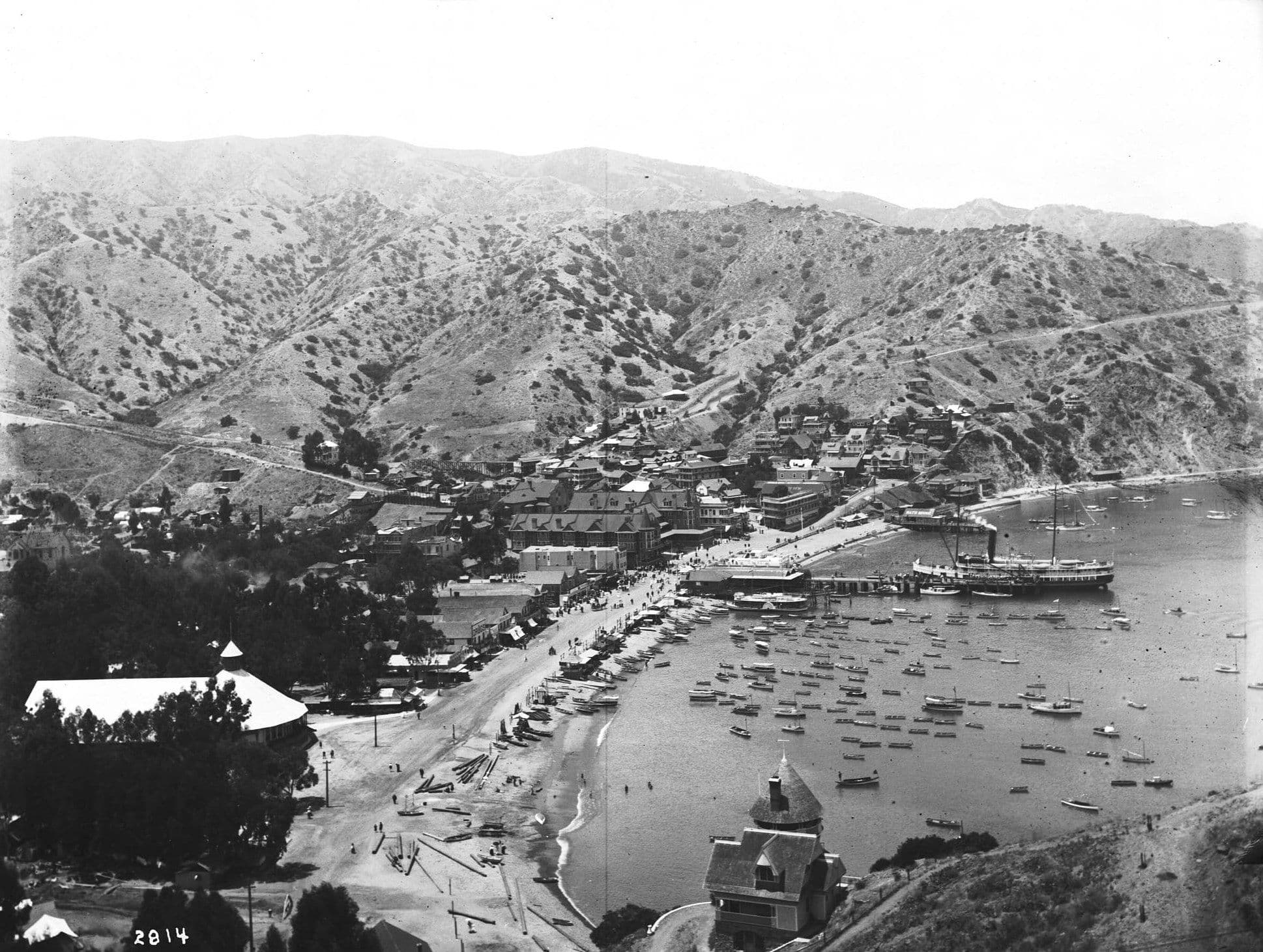
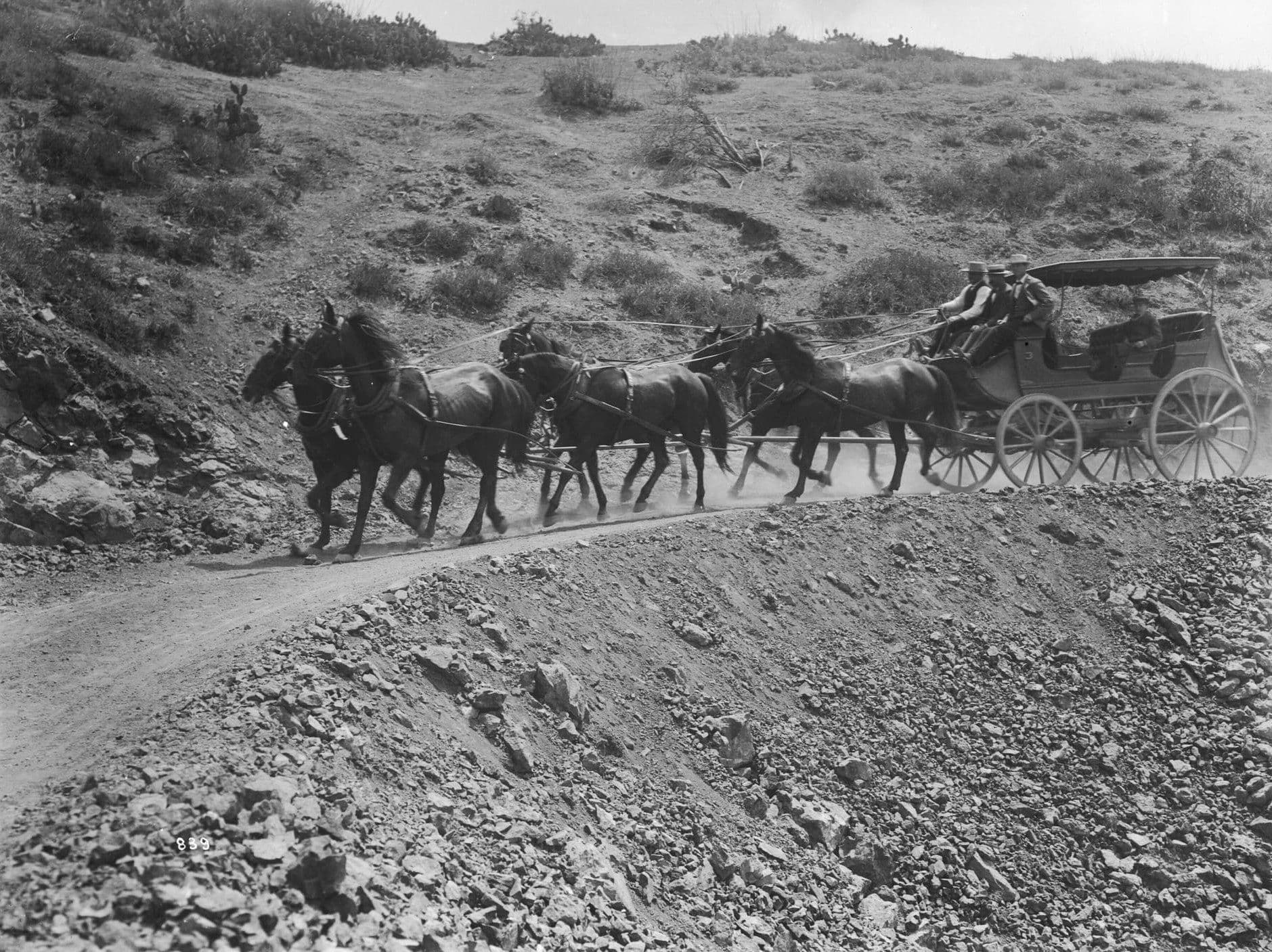
In 1887 George Shatto bought the island and laid out a town at Timms Landing. His sister-in-law, Etta Whitney, named it Avalon, after the island paradise in Tennyson’s Idylls of the King. In 1891 the Banning brothers bought Catalina and turned Avalon into a resort: hotels, a dance pavilion, stagecoach roads into the interior, an incline railway up the hill and glass-bottom boats over the kelp.
Sport fishing put the island on the map. In 1898 Charles Frederick Holder landed a huge bluefin tuna on rod and reel and founded the Tuna Club of Avalon, one of the oldest fishing clubs in the country and an early champion of fair-play angling. Avalon became a city in 1913. Two years later a fire destroyed much of the town, including the grand Hotel Metropole.
The Wrigleys
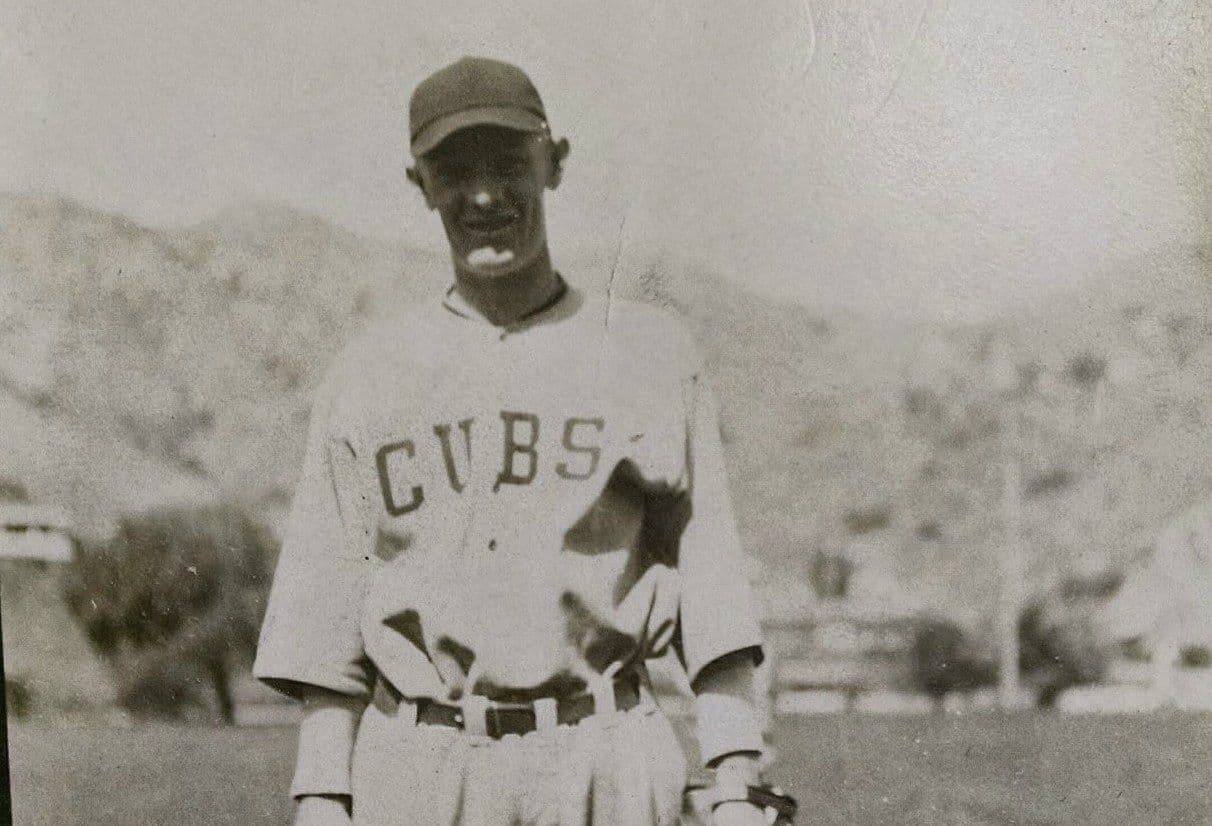
In 1919 William Wrigley Jr., of chewing-gum fame and owner of the Chicago Cubs, took control of the island. What he built defines Avalon today: the Catalina Casino (1929), the hillside mansion now known as Mt. Ada, the Chimes Tower, a famous bird park, the great white steamers Avalon and Catalina, and Catalina Pottery, whose glazed tiles still decorate fountains, benches and walls all over town. He even brought his baseball team over every spring. The Cubs on Catalina →
After Wrigley died in 1932, his family built the Wrigley Memorial in Avalon Canyon, and his son Philip K. Wrigley ran the island for decades.
The war years
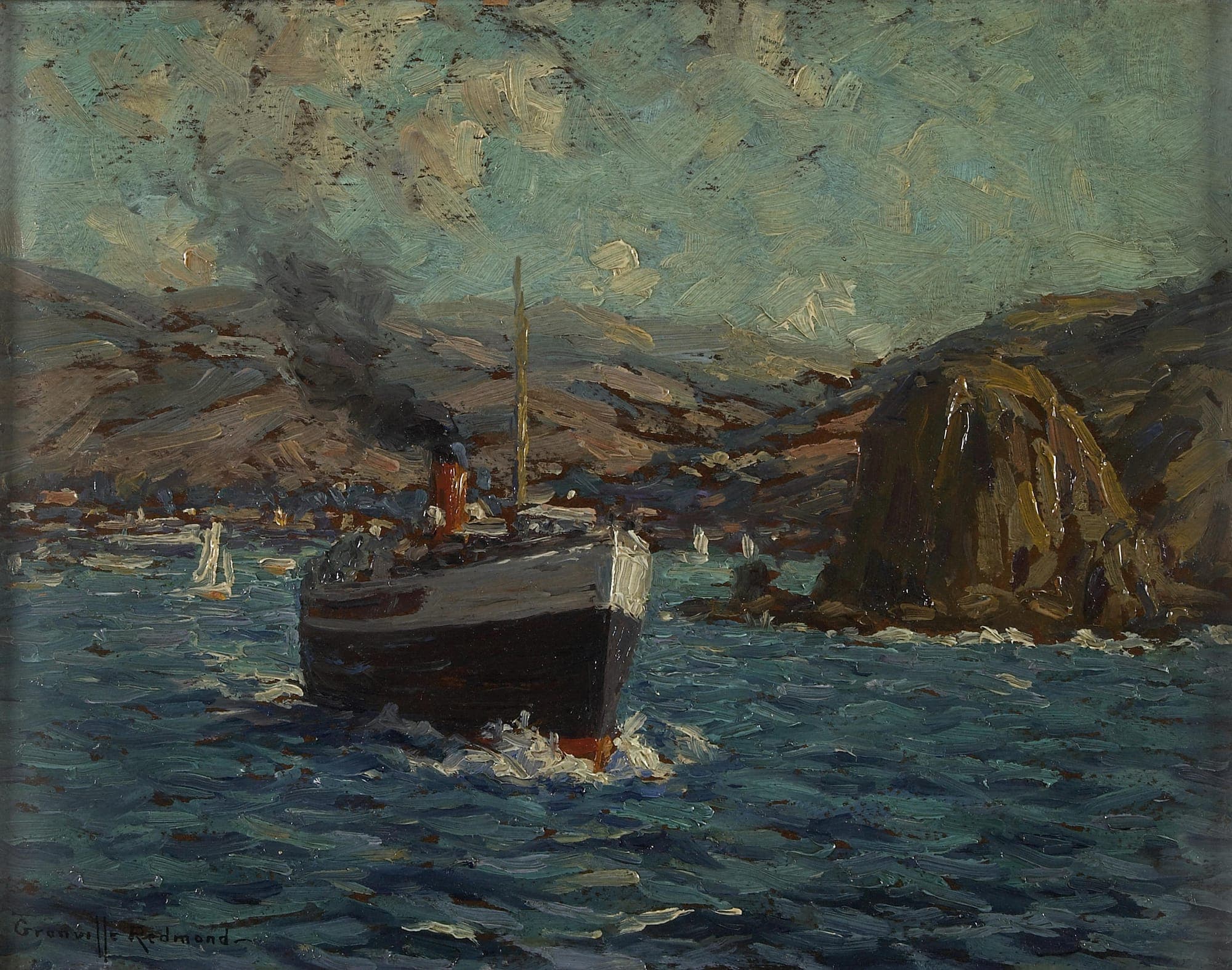
During World War II the island closed to tourists and became a training ground: the U.S. Maritime Service trained thousands of recruits in Avalon, the Coast Guard used the Isthmus, the Army Signal Corps ran a radar station, and the Office of Strategic Services, forerunner of the CIA, trained at Toyon Bay.
The Conservancy
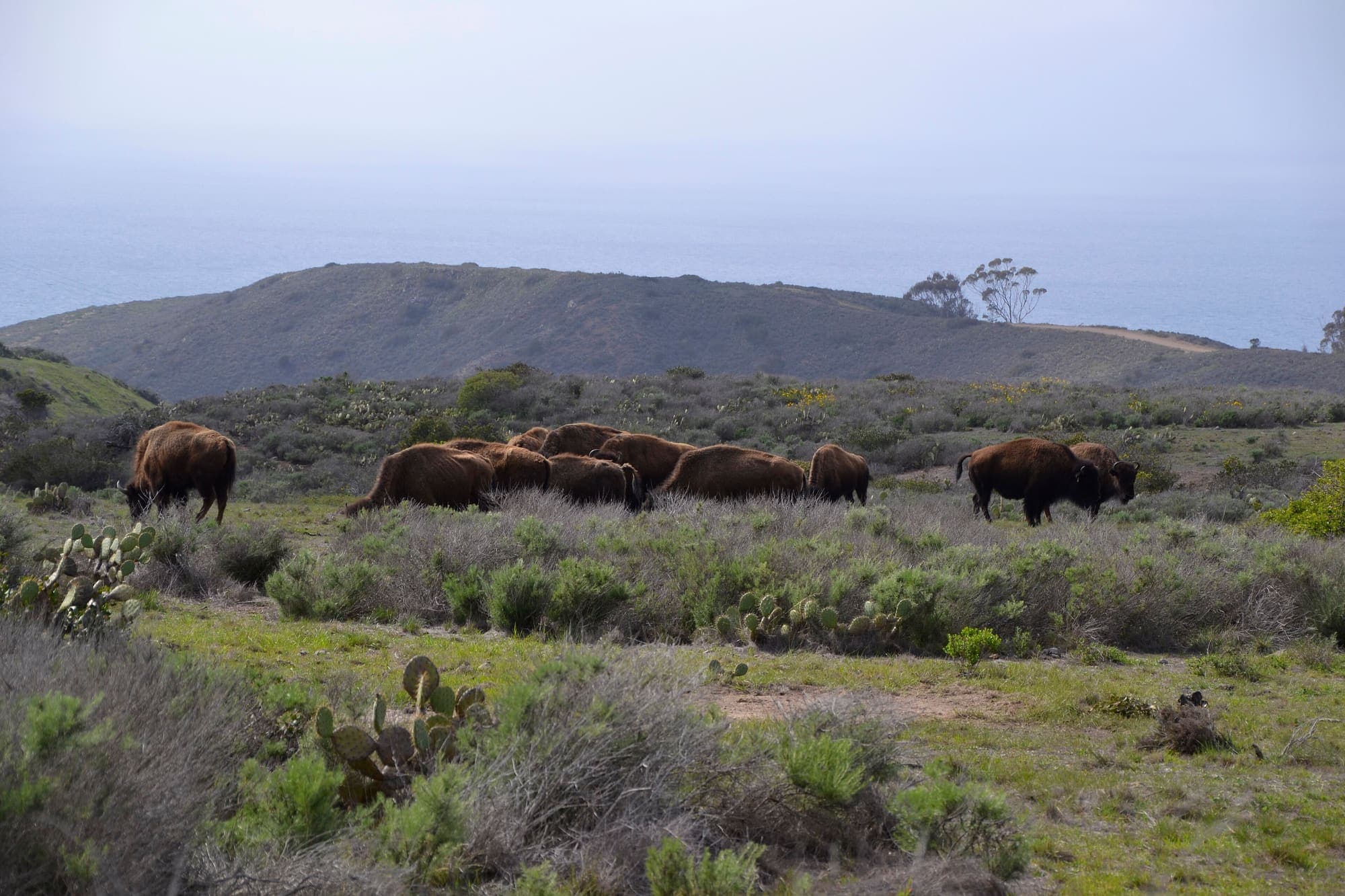
In 1972 the Wrigley and Offield families helped create the Catalina Island Conservancy, and in 1975 deeded it about 42,000 acres: 88% of the island. That decision is why most of Catalina still looks wild. The Conservancy runs the interior, the trails and the long work of restoring native species.
A short timeline
Quick answers
Why is it called Catalina?
Sebastián Vizcaíno named it Santa Catalina in 1602, after landing on the eve of the feast of Saint Catherine of Alexandria.
Who owns Catalina Island?
About 88% belongs to the Catalina Island Conservancy, a nonprofit created in 1972. Most of the rest is Avalon, Two Harbors and private property.
Was there ever gambling at the Catalina Casino?
No. “Casino” is the old Italian word for a gathering place. It was built in 1929 as a ballroom and movie theatre.
Sights & landmarks on the island
See all →- Avalon7 min from the ferry4.7(3)
- Avalon10 min from the ferry4.8(272)
- Open nowAvalon10 min from the ferry5.0(2)
 Avalon26 min from the ferry


Arts & culture on the island
See all →- Opens 10am tomorrowAvalon9 min from the ferry4.9(155)
- Opens 10am tomorrowAvalon11 min from the ferry5.0(21)
No photo yet Avalon11 min from the ferryNo photo yet